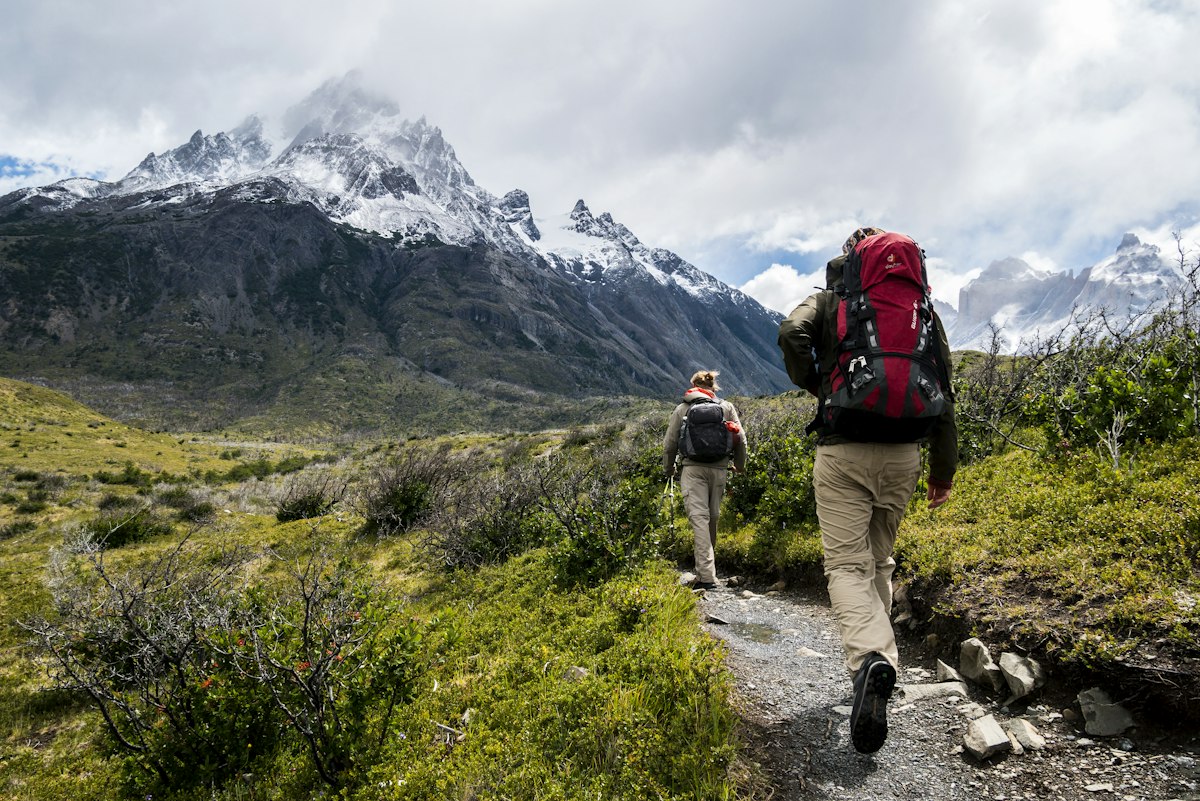
Hiking boots on a mountain trail at sunrise with panoramic mountain views
Updated March 2026

Best Hiking Boots of 2026

Five trail-tested picks after 200+ miles of real-world hiking. From lightweight fast-packers to cushioned all-day cruisers, these are the boots that earned our recommendation.

Finding the Best Hiking Boots in 2026

Choosing the best hiking boots is one of the most consequential gear decisions any outdoor enthusiast makes. Your boots are the foundation of every trail experience, directly affecting comfort, safety, and how many miles you can cover before fatigue sets in. With dozens of models competing for your attention and your money, cutting through the marketing noise to find the right pair requires real-world data that only comes from putting boots on actual trails.

For our 2026 hiking boot reviews, we assembled a testing team of five experienced hikers who collectively logged over 200 miles across diverse terrain in the Pacific Northwest, Rocky Mountains, and Appalachian foothills. We tested on everything from groomed gravel paths to technical scrambles above treeline, in conditions ranging from scorching summer heat to freezing rain. Every boot was evaluated on trail performance, waterproofing capability, break-in period, weight-to-support ratio, and long-term durability.

This year, the market has shifted toward lighter, more athletic designs that borrow heavily from trail running technology. Waterproof hiking boots have become remarkably breathable compared to models from even two years ago, and lightweight hiking boots now offer ankle support that rivals traditional heavy leather designs. Whether you need the best boots for backpacking a section of the AT, a reliable pair for weekend day hikes, or a technical scrambling tool for peak bagging, our tested picks cover every use case and budget. Below you will find our honest assessment of the five best hiking boots available in 2026.

Quick Comparison Table

BootCategoryPriceWeightWaterproofing
Salomon X Ultra 4 Mid GTXBest Overall$1751 lb 14 ozGORE-TEX
Merrell Moab 3 Mid WaterproofBest Value$1452 lbs 2 ozMerrell Waterproof membrane
La Sportiva Nucleo High II GTXBest for Scrambling$2302 lbs 1 ozGORE-TEX Extended Comfort
HOKA Anacapa Mid GTXBest Cushioning$1851 lb 11 ozGORE-TEX
Danner Trail 2650 GTXBest Lightweight$2001 lb 8 ozGORE-TEX Invisible Fit

How We Test

Every boot in our roundup undergoes a rigorous multi-week evaluation protocol. We don't rely on first impressions or manufacturer claims. Instead, we put each pair through structured field tests designed to reveal strengths and weaknesses that only emerge after real trail miles. Our scoring methodology breaks down into four weighted categories.

Trail Miles

50%

Each boot is worn for a minimum of 40 trail miles across varied terrain types including packed dirt, loose gravel, rock slab, mud, and stream crossings. We evaluate comfort, hot spots, fatigue, and overall performance during sustained use.

Support & Stability

20%

We test ankle support on steep traverses, torsional rigidity on narrow ledges, and overall platform stability with both light day packs and loaded backpacking setups up to 35 pounds.

Waterproofing

15%

Boots are submerged in controlled water depths, worn through sustained rain, and tested during stream crossings. We measure time to internal moisture penetration and evaluate breathability during high-exertion climbing.

Break-in Period

15%

We track comfort from first wear through the 40-mile mark, recording any blister incidents, pressure points, or stiffness that resolves with use. Boots that perform well from day one score highest in this category.

Detailed Hiking Boot Reviews

#1Best Overall

Salomon X Ultra 4 Mid GTX

Weight

1 lb 14 oz

Waterproofing

GORE-TEX

Upper

Synthetic mesh with TPU overlays

Midsole

EnergyCell+ EVA foam

Outsole

Contagrip MA

Price

$175

The Salomon X Ultra 4 Mid GTX continues to dominate our rankings as the best hiking boot of 2026, and for good reason. After logging over 60 miles across rocky alpine trails, muddy forest paths, and loose scree fields, this boot proved itself as the most versatile option we tested. The Advanced Chassis system, which sits between the midsole and outsole, provides a stable platform that prevents ankle rolls on uneven terrain without feeling overly rigid or restrictive.

Salomon refined the fit for 2026 with a slightly wider toe box compared to earlier generations, addressing one of the few complaints testers had with previous versions. The SensiFit cradle wraps the midfoot securely, and the lacing system pulls everything tight without creating pressure points. Most testers reported the boot feeling comfortable right out of the box, with no significant break-in period required for day hikes up to 12 miles.

The GORE-TEX membrane performed flawlessly during our stream-crossing and rain-soaked testing sessions. Water beaded off the upper material consistently through weeks of use, and internal moisture from sweat vented adequately during warm-weather hikes. The Contagrip MA outsole delivered confident grip on wet rock and packed dirt, though it showed slightly more wear on abrasive granite surfaces than some competitors in our test group.

Where the X Ultra 4 truly sets itself apart is in the balance between weight and support. At just 1 pound 14 ounces per pair, it is lighter than most mid-height boots while still providing enough ankle support for loaded backpacking trips up to 30 pounds. Hikers transitioning from trail runners will appreciate the nimble feel, while those stepping down from heavy leather boots will enjoy the reduced fatigue on long days.

Pros

  • +Outstanding stability on uneven terrain
  • +Minimal break-in period needed
  • +Lightweight for a mid-height boot
  • +Reliable GORE-TEX waterproofing
  • +Excellent lacing system with secure midfoot hold

Cons

  • Outsole wears faster on abrasive rock
  • Premium price point
  • Narrower fit than some competitors
  • Limited color options in 2026 lineup

Best for: Day hikers and weekend backpackers who want a do-everything boot that balances weight, support, and durability across varied terrain.

Check Price
#2Best Value

Merrell Moab 3 Mid Waterproof

Weight

2 lbs 2 oz

Waterproofing

Merrell Waterproof membrane

Upper

Suede leather and mesh

Midsole

Merrell Air Cushion EVA

Outsole

Vibram TC5+

Price

$145

The Merrell Moab series has earned its reputation as the gateway hiking boot, and the Moab 3 Mid Waterproof upholds that legacy in 2026. Priced at $145, it delivers a level of comfort and capability that makes more expensive options hard to justify for casual hikers and anyone building their first serious trail kit. Our testers consistently rated it as the most comfortable boot to wear straight from the box, with a fit that accommodates a wide range of foot shapes without feeling sloppy.

Merrell uses their proprietary waterproof membrane rather than GORE-TEX, which keeps the price down. During our testing, it handled light rain and shallow puddle crossings without issue, though it was noticeably less breathable than GORE-TEX-equipped boots during sustained climbs in warm conditions. For three-season hiking below treeline, this tradeoff is perfectly acceptable, especially given the savings.

The Vibram TC5+ outsole is a proven performer that grips reliably on most surfaces. It lacks the aggressive lug pattern needed for serious scrambling or steep snow approaches, but it handles packed dirt, gravel, and moderate rock well enough for the trails most people actually hike. The Merrell Air Cushion midsole provides a plush, forgiving ride that reduces foot fatigue on long approaches, though it compresses more quickly than higher-end foam compounds over hundreds of miles.

Build quality is solid for the price bracket. The suede leather overlays reinforce high-wear areas around the toe and heel, and the bellows tongue keeps debris out effectively. Some testers noted minor stitching inconsistencies, but nothing that affected performance or durability over our testing period. If you are looking for the best hiking boots under $150 that will handle everything from local nature trails to moderate mountain paths, the Moab 3 is the boot to beat.

Pros

  • +Exceptional comfort out of the box
  • +Best price-to-performance ratio tested
  • +Wide-foot friendly fit
  • +Proven Vibram outsole
  • +Widely available in stores for try-on

Cons

  • Waterproof membrane less breathable than GORE-TEX
  • Midsole compresses over time with heavy use
  • Not ideal for technical terrain
  • Heavier than other boots in this roundup

Best for: Budget-conscious hikers, beginners building their first trail kit, and anyone who prioritizes immediate out-of-box comfort over technical performance.

Check Price
#3Best for Scrambling

La Sportiva Nucleo High II GTX

Weight

2 lbs 1 oz

Waterproofing

GORE-TEX Extended Comfort

Upper

Abrasion-resistant synthetic with TPU rand

Midsole

Compression-molded EVA with TPU insert

Outsole

Vibram Nano

Price

$230

La Sportiva brings its climbing heritage into the hiking world with the Nucleo High II GTX, and the result is a boot that dominates on technical terrain where others falter. The standout feature is a rubber toe rand that wraps aggressively around the front of the boot, providing genuine protection and purchase during rock scrambling sections that would destroy softer boots. Our testers took this boot up Class 3 scrambles and granite slab approaches where it consistently outperformed every other boot in the group.

The Vibram Nano outsole uses a sticky rubber compound borrowed from climbing shoe technology. On dry rock, the grip is exceptional, and it maintains a surprising amount of traction on wet surfaces as well. The lug pattern is not as deeply cut as some trail-specific designs, so it does pack out with mud more quickly on soft terrain. If your trails involve significant rock contact, this is the outsole you want beneath you.

Fit runs narrow and precise, which is intentional for the technical performance La Sportiva targets. Hikers with wider feet should size up a half size and try before buying. The ankle collar sits higher than most competitors, providing genuine support during lateral movements on steep traverses. The GORE-TEX Extended Comfort lining balances waterproofing with breathability better than standard GORE-TEX, which matters when you are working hard on exposed approaches.

The TPU insert in the midsole adds torsional rigidity that prevents the boot from flexing on narrow ledges and edging moves. This is the same design philosophy La Sportiva uses in their mountaineering footwear, scaled down for trail use. The tradeoff is a stiffer feel on flat terrain and groomed trails, where softer boots are more pleasant. At $230, this is an investment in technical capability that casual trail walkers do not need, but dedicated scramblers and peak baggers will appreciate every dollar spent.

Pros

  • +Unmatched grip on rock surfaces
  • +Protective toe rand for scrambling
  • +High ankle support for technical terrain
  • +GORE-TEX Extended Comfort breathes well
  • +Durable construction built for rough use

Cons

  • Narrow fit requires careful sizing
  • Stiff feel on flat or groomed trails
  • Higher price than most competitors
  • Lugs pack with mud on soft terrain

Best for: Peak baggers, scramblers, and hikers who regularly encounter rocky technical terrain where precise footwork and protection matter most.

Check Price
#4Best Cushioning

HOKA Anacapa Mid GTX

Weight

1 lb 11 oz

Waterproofing

GORE-TEX

Upper

Recycled polyester with Dura leather overlays

Midsole

HUBBLE heel geometry with CMEVA foam

Outsole

Vibram Megagrip with Litebase

Price

$185

HOKA disrupted the running shoe market with maximalist cushioning, and the Anacapa Mid GTX brings that same philosophy to hiking boots. The thick CMEVA midsole provides noticeably more underfoot cushioning than any other boot we tested, which translates to reduced joint impact on long descents and hard-packed surfaces. Testers with knee issues reported being able to hike longer distances with less discomfort compared to traditional hiking boots.

The HUBBLE heel geometry features a pronounced rocker shape that encourages a natural rolling gait. This design reduces braking forces during downhill sections and promotes efficiency on flat stretches. It does feel unusual at first if you are accustomed to flat hiking platforms, and we recommend wearing the Anacapa on a few shorter hikes before committing to a multi-day trip. Most testers adapted within two to three outings and reported the sensation becoming second nature.

At just 1 pound 11 ounces per pair, the Anacapa is the second lightest boot in our test group despite its generous cushioning stack. HOKA achieves this by using the Vibram Litebase outsole technology, which maintains full ground coverage while reducing rubber thickness by up to 30 percent compared to traditional Vibram outsoles. Grip on dry terrain is excellent, though the thinner rubber showed more wear over our testing period than standard-thickness alternatives.

The GORE-TEX waterproofing paired with the recycled polyester upper creates a boot that handles wet conditions without trapping excessive heat inside. The Dura leather overlays at the toe and heel add durability where impacts occur most frequently. One area where the Anacapa lags behind stiffer boots is lateral stability on uneven rock fields, where the soft midsole allows more ankle movement than some hikers prefer. For trail hiking and well-maintained paths, however, the cushioning advantage makes this a standout choice among the best hiking boots of 2026.

Pros

  • +Industry-leading underfoot cushioning
  • +Extremely lightweight for cushion level
  • +Natural rocker promotes efficient gait
  • +Comfortable for hikers with joint issues
  • +GORE-TEX waterproofing standard

Cons

  • Less lateral stability on rocky terrain
  • Rocker geometry has adjustment period
  • Thinner outsole wears faster
  • Soft platform not ideal for heavy loads

Best for: Long-distance trail hikers, anyone with knee or joint concerns, and hikers who prioritize cushioned comfort on maintained paths over technical scrambling capability.

Check Price
#5Best Lightweight

Danner Trail 2650 GTX

Weight

1 lb 8 oz

Waterproofing

GORE-TEX Invisible Fit

Upper

Textile and suede with GORE-TEX bonded directly to upper

Midsole

Trailguard adaptive platform

Outsole

Vibram 460 with Megagrip

Price

$200

The Danner Trail 2650 GTX redefines what a lightweight hiking boot can be, checking in at just 1 pound 8 ounces per pair while still delivering mid-height ankle support and waterproof protection. Named after the Pacific Crest Trail distance, this boot targets thru-hikers and fast packers who count every ounce but are not ready to sacrifice the security of a boot for trail runners. In our testing, it felt closer to a sneaker than a traditional hiking boot, which is precisely the point.

Danner uses GORE-TEX Invisible Fit technology, which bonds the waterproof membrane directly to the upper material rather than using a separate bootie construction. This eliminates the bunching and wrinkle points that cause blisters in conventional waterproof boots, and it contributes to the remarkably low weight. During our waterproofing tests, the bonded construction kept feet dry through extended wet conditions while venting moisture better than most GORE-TEX boots in the group.

The Trailguard platform sits between the midsole and outsole, providing adaptive torsional support that stiffens when you need stability on uneven ground but flexes naturally on flat terrain. It is an elegant middle ground between the rigid shanks of traditional boots and the fully flexible soles of trail runners. The Vibram 460 outsole with Megagrip compound offers dependable traction, though the shallower lug depth is more suited to packed trails than deep mud or loose scree.

Build quality reflects Danner's Oregon heritage, with thoughtful details like the ortholite footbed, cleanly bonded seams, and a toe cap that provides adequate protection without adding bulk. The suede overlays age gracefully and develop character with use. At $200, the Trail 2650 GTX sits at a premium for its weight class, but the combination of featherlight weight, genuine waterproofing, and ankle support makes it a compelling choice for hikers who want the lightest possible boot that still functions as a real boot on serious trails.

Pros

  • +Lightest boot in our entire test group
  • +GORE-TEX Invisible Fit eliminates blister points
  • +Sneaker-like comfort and flexibility
  • +Adaptive Trailguard platform is innovative
  • +Quality materials and craftsmanship

Cons

  • Shallow lugs limit mud traction
  • Less support for heavy pack loads
  • Premium price for a lightweight boot
  • Suede sections require occasional care

Best for: Thru-hikers, fast packers, and ultralight enthusiasts who want the absolute lightest boot with waterproof protection and ankle support for high-mileage days.

Check Price

Hiking Boot Buying Guide

Even after reading our reviews, you may be wondering which features matter most for your specific hiking style. This buying guide breaks down the five most important factors to consider when choosing among the best hiking boots in 2026.

Boot Height: Low vs Mid vs High

Boot height is the first decision to make and it directly affects ankle support, weight, and mobility. Low-cut hiking shoes sit below the ankle and feel closest to trail runners. They are lightest and most agile but offer no ankle stabilization. Mid-height boots, like all five picks in this guide, cover the ankle bone and provide moderate lateral support without restricting natural movement. High-cut boots extend several inches above the ankle and are reserved for mountaineering, heavy load carrying, or traversing extremely rough terrain. For most hikers tackling maintained trails and moderate backcountry, mid-height boots offer the optimal balance of support and freedom of movement.

Waterproofing Technology

GORE-TEX remains the industry standard for waterproof hiking boots, but proprietary membranes from brands like Merrell and Columbia have narrowed the performance gap considerably in recent years. GORE-TEX offers the best combination of waterproofing reliability and breathability, with variants like GORE-TEX Extended Comfort and GORE-TEX Invisible Fit further improving ventilation and fit. Proprietary membranes typically cost less and keep water out effectively, but they tend to be slightly less breathable during sustained high-output activity. Consider whether you hike primarily in wet or dry climates when deciding if the GORE-TEX premium is justified for your use case.

Cushioning and Support

Midsole cushioning determines how your feet feel after 10, 15, or 20 miles. EVA foam is the most common midsole material, offering a good balance of cushion and weight. Brands like HOKA use proprietary foam compounds that provide substantially more underfoot padding, which benefits hikers with joint issues or those covering high daily mileage. However, softer midsoles compress more quickly over time and offer less stability on technical terrain. Stiffer boots with TPU shanks or inserts provide better edge support for scrambling and loaded carrying but sacrifice some flat-trail comfort. Your ideal cushioning level depends on your typical terrain, pack weight, and any physical considerations like knee or hip sensitivity.

Outsole Grip

The outsole is your direct contact with the trail, and not all rubber compounds and lug patterns perform equally. Vibram dominates the hiking boot outsole market with several compounds optimized for different conditions. Megagrip offers the best all-around traction on wet and dry surfaces, while TC5+ balances durability and grip for general trail use. Lug depth matters too. Deeper lugs of 5 millimeters or more bite into soft terrain like mud and loose soil but can feel unstable on flat rock. Shallower lugs around 3 to 4 millimeters grip rock faces better and feel more precise. Consider your most common terrain type when evaluating outsole designs. Sticky rubber compounds from La Sportiva and Scarpa excel on rock but may wear faster on abrasive surfaces like concrete and packed gravel.

Break-in Period

Modern hiking boots break in dramatically faster than boots from a decade ago, but the timeline still varies significantly by construction. Boots with synthetic uppers and lighter builds, like the Salomon X Ultra 4 and Danner Trail 2650, are often trail-ready within 10 to 20 miles of walking. Boots with leather components or stiffer midsoles, like the La Sportiva Nucleo, may need 30 to 50 miles before they reach peak comfort. Never judge a boot solely on its first-day feel. Some boots that feel slightly stiff initially mold to your foot shape over time and become the most comfortable option in your closet. Plan your break-in around shorter hikes and everyday walking before committing to multi-day trips, and always wear the socks you intend to hike in during the break-in process.

Frequently Asked Questions

How often should I replace my hiking boots?

Most hiking boots last between 500 and 1,000 trail miles depending on terrain, your body weight, and pack weight. Signs that replacement is overdue include compressed midsoles that no longer cushion, worn-down outsole lugs with diminished grip, delamination between the upper and sole, and waterproof membranes that consistently leak despite reapplication of DWR treatments. If your boots feel noticeably less supportive than when they were new, it is time to start shopping.

Are waterproof hiking boots worth it?

Waterproof hiking boots are worth it for most hikers, especially in regions with unpredictable weather, stream crossings, or wet trail conditions. GORE-TEX and similar membranes keep your feet dry in rain and shallow water while still allowing some breathability. The tradeoff is that waterproof boots are slightly warmer and less breathable than non-waterproof versions, which matters in hot, dry climates. If you exclusively hike in arid desert conditions during summer, a non-waterproof boot with better ventilation may be more comfortable.

What is the difference between hiking boots and hiking shoes?

Hiking boots provide mid-to-high ankle coverage that offers additional support and protection on uneven terrain, making them better suited for backpacking with heavy loads or technical trails with rocks and roots. Hiking shoes are low-cut like trail runners, offering more agility and less weight but reduced ankle stability. Choose boots if you carry loads over 20 pounds, hike on rocky or uneven terrain regularly, or want maximum ankle protection. Choose shoes if you prioritize speed, hike mostly on maintained trails, and carry lighter packs.

How do I break in new hiking boots?

Start by wearing your new boots around the house for a few hours at a time with the socks you plan to hike in. Then progress to short neighborhood walks, followed by easy trail hikes of 3 to 5 miles. Modern boots with synthetic uppers typically need only 20 to 30 miles of break-in, while leather boots can take 50 miles or more. Never take brand-new boots on a multi-day backpacking trip. Lace them snugly but not tight, and pay attention to any hot spots that could develop into blisters.

Should I size up when buying hiking boots?

Most hikers benefit from going up a half size from their normal shoe size. Your feet swell during long hikes, and you need enough room in the toe box to prevent your toes from hitting the front of the boot on steep descents. Try boots on in the afternoon when your feet are naturally larger, and always wear the same hiking socks you plan to use on the trail. You should be able to slide one finger between your heel and the back of the boot when your toes are touching the front.

Final Verdict

After testing five of the most competitive hiking boots on the market across hundreds of trail miles, the Salomon X Ultra 4 Mid GTX earns our top recommendation as the best overall hiking boot of 2026. Its combination of lightweight construction, reliable waterproofing, immediate comfort, and trail-capable stability makes it the right choice for the widest range of hikers and conditions.

Budget-conscious hikers should look no further than the Merrell Moab 3 Mid Waterproof, which delivers remarkable comfort and capability at a price that makes premium features accessible. If your trails involve significant rock contact and scrambling, the La Sportiva Nucleo High II GTX provides grip and protection that nothing else in this group can match.

For hikers who prioritize underfoot comfort above all else, the HOKA Anacapa Mid GTX offers cushioning technology that makes long-mileage days noticeably easier on joints. And for those counting every ounce, the Danner Trail 2650 GTX proves that a boot can weigh under 1.5 pounds and still offer genuine waterproof protection and ankle support.

No single boot is perfect for every hiker or every trail. Use our detailed reviews and buying guide above to identify which features align with your specific needs, terrain, and hiking style. The best hiking boot is the one that matches how you actually spend time on the trail.

Editorial Disclosure

Peak Gear Guide is reader-supported. When you purchase through links on our site, we may earn an affiliate commission at no additional cost to you. Our editorial team tests every product independently and recommendations are never influenced by affiliate partnerships. We only recommend gear we would use ourselves. Product prices and availability are accurate as of the publication date and are subject to change. Last updated March 24, 2026.